Discover Historical Pigments at Colour Makers House
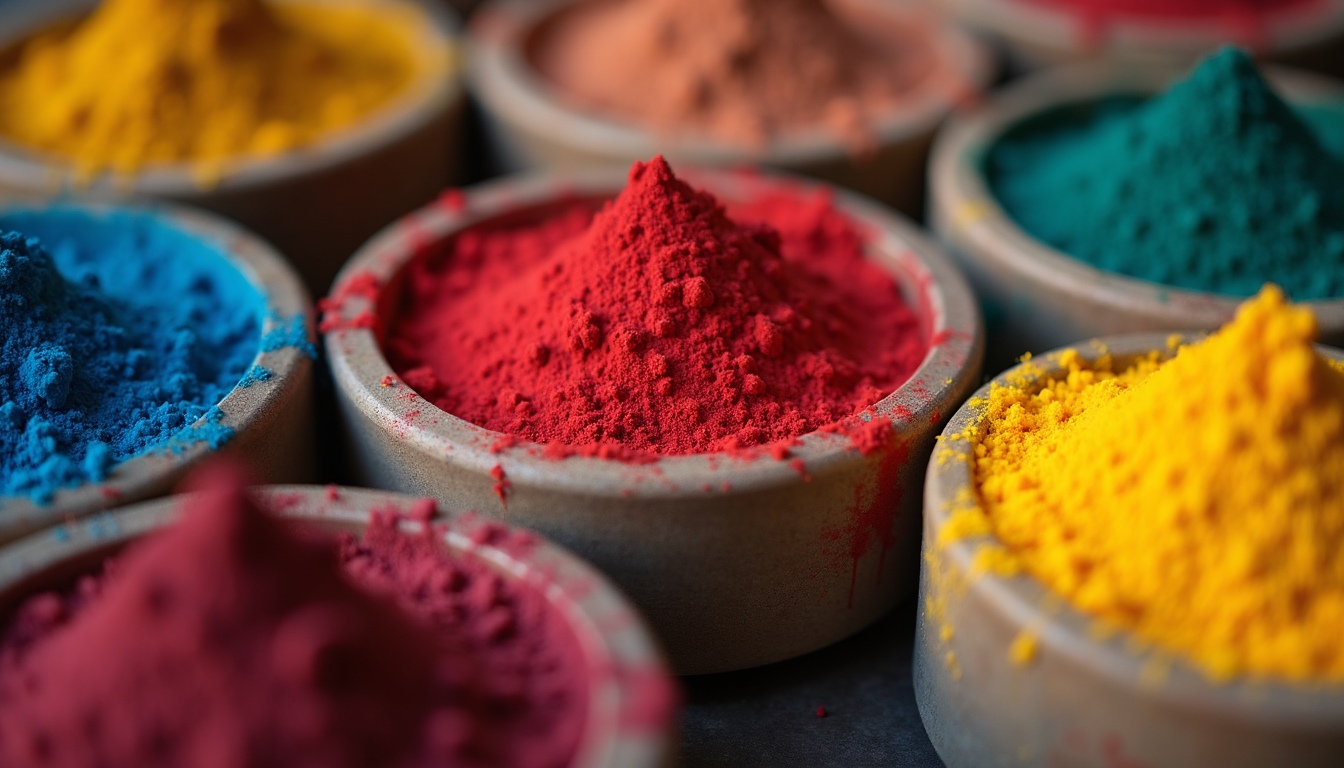
Exploring the world of color can be a fascinating journey, especially when it involves historical pigments that have shaped art and culture throughout the ages. At Colour Makers House, you can dive deep into this vibrant history, discovering the stories behind the pigments that artists have used for centuries. This blog post will guide you through the significance of historical pigments, the unique offerings at Colour Makers House, and how you can engage with this colorful legacy.

The Significance of Historical Pigments
Historical pigments are more than just colors; they are the essence of artistic expression. Each pigment carries a story, reflecting the culture, technology, and environment of its time. Here are some key points to consider:
Cultural Heritage: Pigments often originate from natural sources, such as minerals, plants, and even insects. For example, the deep red color of cochineal comes from the cochineal insect, while ultramarine blue was originally made from lapis lazuli, a semi-precious stone.
Artistic Techniques: The way pigments are used can tell us much about the techniques of different eras. For instance, the use of tempera paint in the Renaissance period required specific pigments mixed with egg yolk, while oil paints allowed for greater blending and depth.
Scientific Advancements: The development of synthetic pigments in the 19th century revolutionized art. Artists gained access to a wider palette, which allowed for new styles and movements, such as Impressionism.
Understanding these aspects of historical pigments enriches our appreciation of art and its evolution over time.
Colour Makers House: A Hub for Pigment Enthusiasts
At Colour Makers House, visitors can explore a treasure trove of historical pigments. This unique venue offers a variety of experiences for anyone interested in the art of color. Here’s what you can expect:
Interactive Workshops
One of the highlights of Colour Makers House is its interactive workshops. These sessions allow participants to:
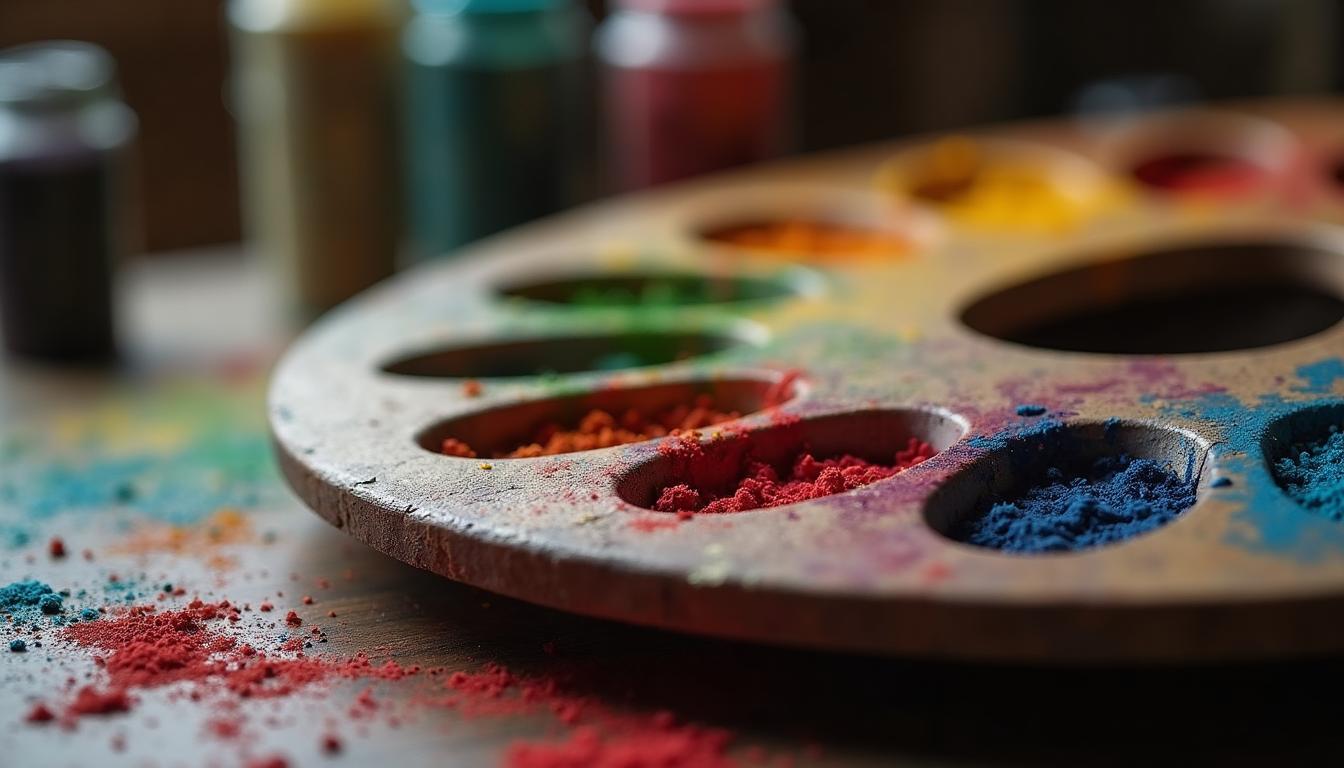
Create Their Own Pigments: Learn the traditional methods of making pigments from natural materials. This hands-on experience connects you with the historical practices of artists.
Explore Color Theory: Understand how colors interact and the psychological effects they can have. Workshops often include practical exercises that demonstrate these principles.
Exhibitions and Displays
The exhibitions at Colour Makers House showcase a wide range of historical pigments. Visitors can see:
Rare Pigments: Discover pigments that are no longer in common use, such as Indian Yellow and Mummy Brown. Each pigment is accompanied by information about its history and usage.
Artistic Displays: The venue features artworks created using these historical pigments, providing context for their application in various artistic movements.
Expert Talks and Demonstrations
Colour Makers House frequently hosts expert talks and demonstrations. These events provide insights into:
The Science of Pigments: Learn about the chemical properties of pigments and how they affect color stability and application.
Historical Context: Experts share stories about how certain pigments were used in famous artworks, enhancing your understanding of art history.
Engaging with Historical Pigments
Visiting Colour Makers House is not just about observing; it’s about engaging with the history of color. Here are some ways to immerse yourself in this vibrant world:
Attend a Workshop
Participating in a workshop is a fantastic way to learn about historical pigments. You’ll gain practical skills while connecting with the rich history of color. Whether you’re an artist or simply curious, these workshops cater to all skill levels.
Explore the Exhibitions
Take your time to explore the exhibitions. Each pigment has a story, and the displays are designed to educate and inspire. Don’t hesitate to ask staff members questions; they are knowledgeable and passionate about the subject.
Join a Community
Colour Makers House fosters a community of color enthusiasts. Joining this community can lead to:
Networking Opportunities: Meet fellow artists and historians who share your interests.
Collaborative Projects: Engage in collaborative art projects that celebrate the use of historical pigments.
The Future of Historical Pigments
As we move forward, the appreciation for historical pigments continues to grow. Artists and historians alike are recognizing the importance of these materials in understanding our cultural heritage. Here are some trends to watch:
Sustainable Practices
With a growing emphasis on sustainability, many artists are returning to natural pigments. This shift not only honors traditional practices but also promotes environmentally friendly art-making.
Digital Preservation
Advancements in technology allow for the digital preservation of historical pigments. This means that even if a pigment becomes rare or extinct, its color can be replicated digitally for future generations.
Educational Initiatives
Institutions like Colour Makers House are leading the way in educational initiatives that focus on the importance of historical pigments. These programs aim to inspire a new generation of artists and historians.
Conclusion
The journey through historical pigments at Colour Makers House is an enriching experience that connects art, science, and history. By engaging with these vibrant materials, you not only learn about the past but also contribute to the ongoing narrative of color in art. Whether you’re creating your own pigments, exploring exhibitions, or participating in workshops, Colour Makers House offers a unique opportunity to discover the beauty and significance of historical pigments.
So, why not plan your visit today? Dive into the colorful world of historical pigments and see how they can inspire your own artistic journey.
Comments