Learn Traditional Pigment Making Techniques with Experts
Creating art is a timeless pursuit, and one of the most fascinating aspects of this craft is the use of pigments. Traditional pigment making techniques have been passed down through generations, and learning these methods can deepen your appreciation for art and enhance your own creative practice. In this blog post, we will explore the world of traditional pigments, the techniques used to create them, and how you can learn from experts in the field.

Understanding Pigments
What Are Pigments?
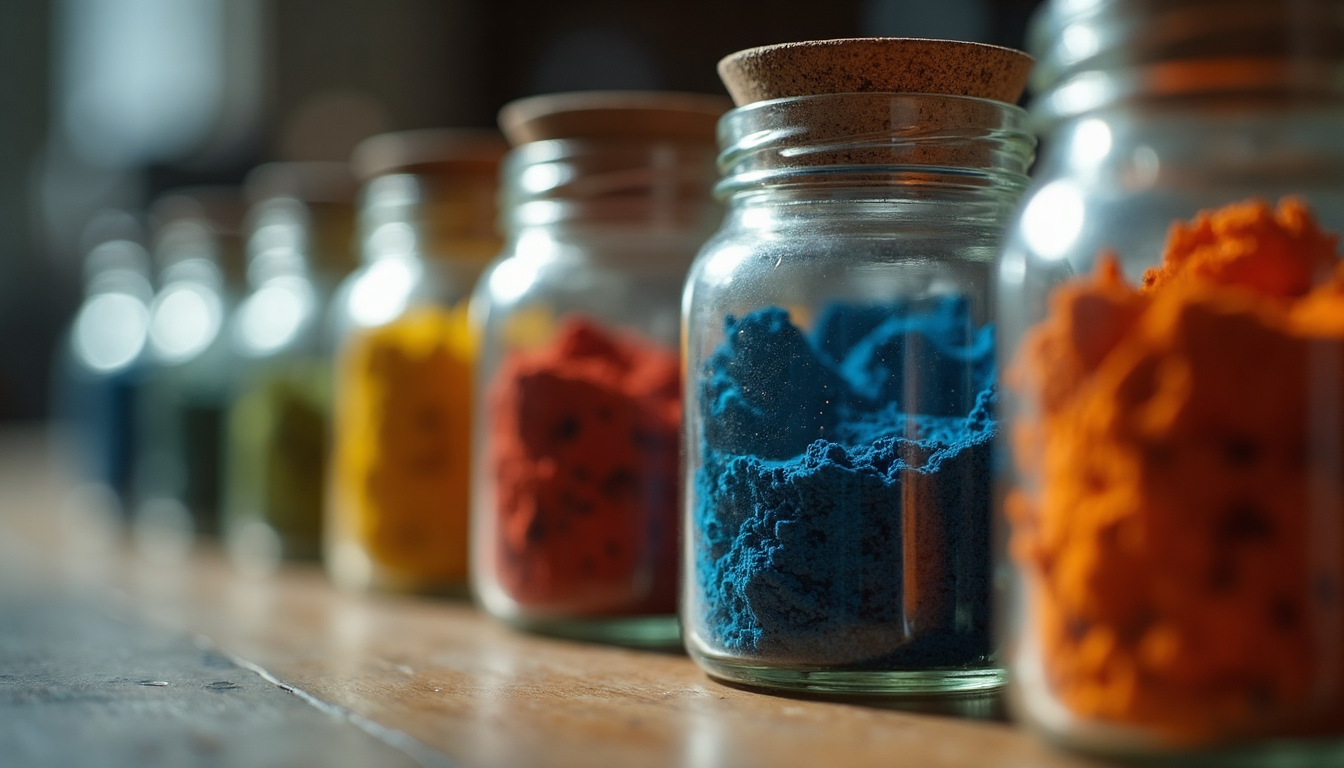
Pigments are substances that impart color to materials. They can be found in nature, such as minerals and plants, or they can be synthetically produced. The choice of pigment can significantly affect the final appearance of a piece of art, influencing everything from hue to texture.
Types of Pigments
Natural Pigments: Derived from minerals, plants, and animals. Examples include:
Ochre: A natural clay earth pigment that ranges in color from yellow to deep orange or brown.
Indigo: A plant-based dye that produces a rich blue color.
Charcoal: Used for black pigments, made from burnt organic materials.
Synthetic Pigments: Created through chemical processes. Examples include:
Cadmium Red: A bright red pigment made from cadmium sulfide.
Phthalo Blue: A synthetic blue pigment known for its high tinting strength.
The Importance of Traditional Techniques
Why Learn Traditional Methods?
Understanding traditional pigment making techniques allows artists to connect with the history of their craft. These methods often involve natural materials and processes that have been refined over centuries. By learning these techniques, artists can:
Enhance Creativity: Experimenting with natural pigments can inspire new artistic directions.
Promote Sustainability: Many traditional methods utilize locally sourced materials, reducing environmental impact.
Preserve Cultural Heritage: Engaging with traditional techniques helps keep cultural practices alive.
Traditional Pigment Making Techniques
Gathering Materials
The first step in traditional pigment making is sourcing the right materials. Depending on the pigment you wish to create, you may need:
Minerals: Such as clay, ochre, or lapis lazuli.
Plants: For dyes, you might use roots, leaves, or flowers.
Organic Materials: Like charcoal or bone ash.
Grinding and Processing
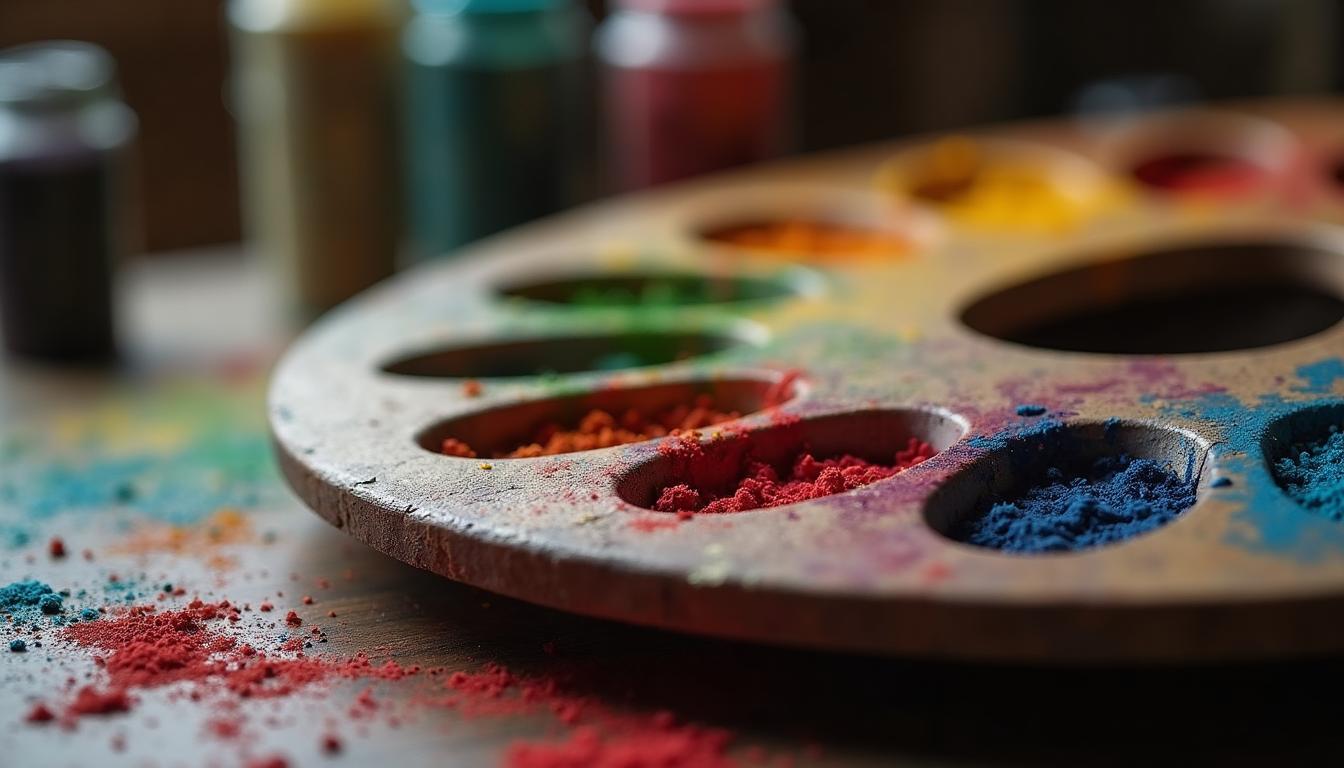
Once you have your materials, the next step is to process them into a fine powder. This often involves:
Crushing: Using a mortar and pestle or a stone grinder to break down the materials.
Sieving: Passing the ground material through a fine mesh to achieve a uniform texture.
Mixing: Combining the pigment powder with a binder (like gum arabic or egg yolk) to create paint.
Creating Pigments from Plants
For those interested in plant-based pigments, the process can be particularly rewarding. Here’s a simple method to create a green pigment from spinach:
Harvest Fresh Spinach: Choose vibrant, healthy leaves.
Extract the Color: Boil the leaves in water for about 10 minutes, then strain to collect the liquid.
Concentrate the Dye: Simmer the liquid until it thickens.
Mix with Binder: Combine the concentrated dye with a binder to create your paint.
Learning from Experts
Workshops and Classes
To truly master traditional pigment making, consider attending workshops or classes led by experts. Many art schools and community centers offer courses that cover:
Pigment History: Understanding the origins and uses of various pigments.
Hands-On Techniques: Learning to create pigments from scratch.
Application Methods: Exploring how to use these pigments in different art forms.
Online Resources
If attending a workshop isn’t feasible, there are numerous online resources available. Websites, video tutorials, and forums can provide valuable insights into traditional pigment making. Look for:
YouTube Channels: Many artists share their techniques and processes.
Online Courses: Platforms like Skillshare or Udemy often have courses on pigment making.
Art Blogs: Follow blogs dedicated to traditional art techniques for tips and inspiration.
The Future of Traditional Pigment Making
Reviving Interest
As the art community becomes more aware of sustainability and the environmental impact of synthetic pigments, there is a growing interest in traditional methods. Artists are increasingly seeking out natural pigments, leading to a revival of these age-old techniques.
Innovations in Pigment Making
While traditional methods are invaluable, there is also room for innovation. Artists are experimenting with new materials and processes, blending traditional techniques with modern technology. This fusion can lead to exciting new colors and applications.
Conclusion
Learning traditional pigment making techniques is not just about creating art; it’s about connecting with history, culture, and nature. By exploring these methods, you can enhance your artistic practice and contribute to the preservation of these valuable skills. Whether you choose to attend a workshop, take an online class, or experiment on your own, the journey into the world of pigments is sure to enrich your creative life.
So gather your materials, find an expert to guide you, and start your adventure in traditional pigment making today!
Comments